|
Subscribe / Renew |
 |
Contact Us |
| ► Subscribe to our Free Weekly Newsletter | |

Construction Bids
| home | Welcome, sign in or click here to subscribe. | login |


 print  email to a friend  reprints add to mydjc |  |
November 3, 2026

Craig
|
In construction, few sectors carry the weight and the reward of behavioral health work.
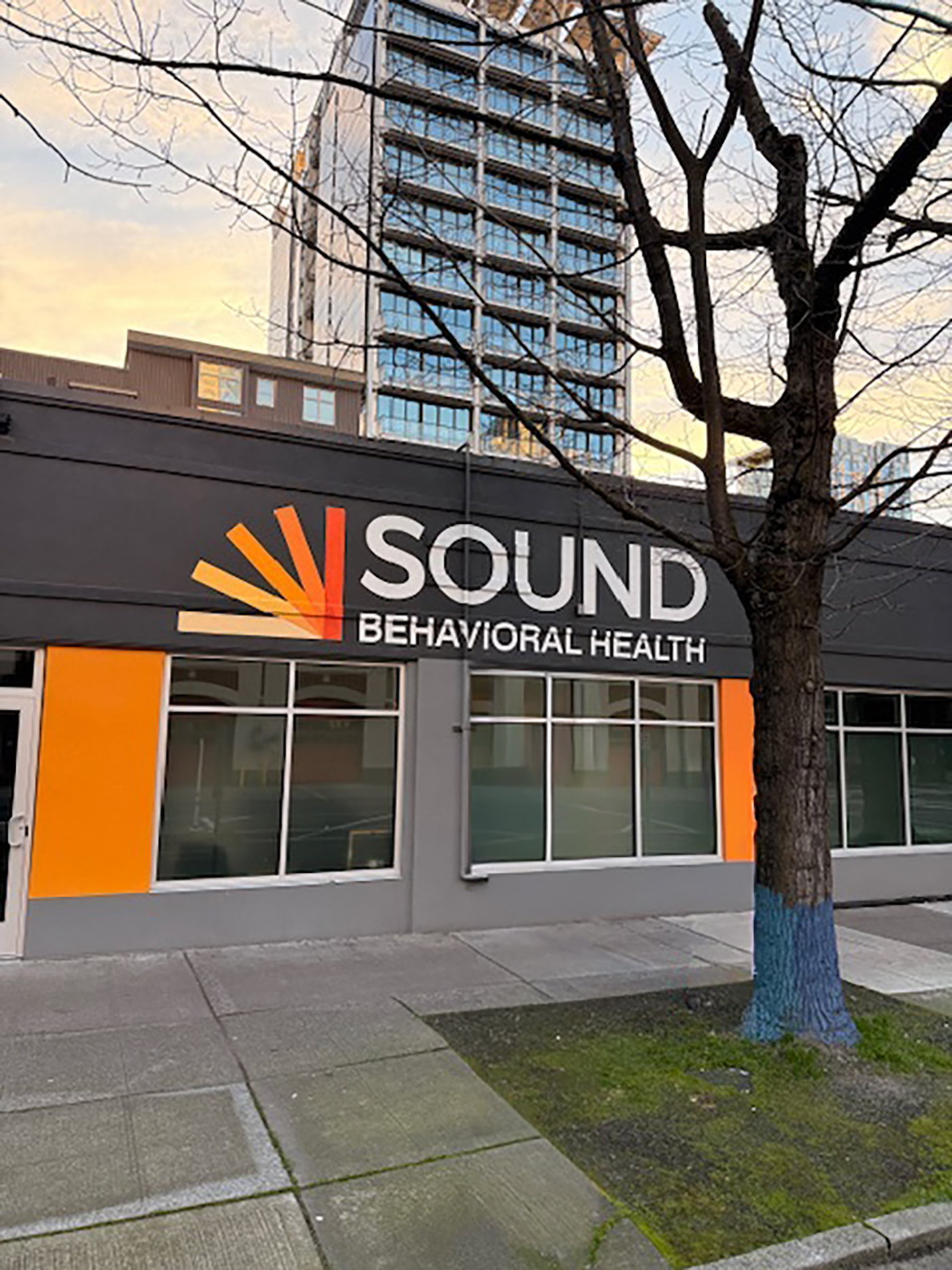
Over the past several years, our team at JTM Construction has partnered with organizations like Sound Health in Belltown, Comprehensive Life Resources in Tacoma, and the Cowlitz Indian Tribe in Tukwila to deliver spaces that serve some of the most vulnerable members of our communities. These projects have taught us that behavioral health facilities are among the hardest to build, and even harder to sustain. The challenges go beyond what we typically see at a jobsite, because they are exacerbated by a reimbursement system that, frankly, is broken and not sustainable for the nonprofit organizations doing this critical work.
What I have learned firsthand, particularly through our work with Sound Health, is that the reimbursement mechanism for behavioral health organizations simply does not pencil out. Even well-intentioned public investment struggles to close the gap. The recent King County initiative to create five crisis care centers, funded by a levy generating more than $1.2 billion over nine years, is a perfect example. Yes, that program brings dollars for the initial build and construction, but there is little to no support on the back end for operational costs; that burden still falls on the organization to figure out. Combined with rising operating costs and national pressures like Medicaid reductions, many organizations remain stagnant, unable to grow capacity even when the community is in desperate need. As a result, they lean heavily on private donations, philanthropic partnerships, competitive grants, and state capital funding just to get a project off the ground.
Our work with the Cowlitz Indian Tribe illustrates this reality in sharp relief. The $4.71 million renovation of their Tukwila Behavioral Health and Family Services Center will transform 13,000 square feet into an integrated care campus, complete with behavioral health consultation rooms and a culturally grounded learning kitchen. But for tribal communities, the challenge is layered even deeper: historical trauma, geographic dispersion, and higher demand for culturally competent care. Even when funding exists, it does not always translate into enough physical capacity or sustained staffing to keep pace with need. Behavioral health and family support services tend to be underbuilt everywhere, but that gap is more pronounced for the communities that can least afford it.
These factors make it essential that we approach behavioral health construction differently. Early trade-partner engagement, real-time cost modeling, and design-build delivery are key steps that cannot be overlooked. Taking the time for upfront planning allows us to uncover efficiencies while reducing redesign, RFIs, and change orders.
On projects like Comprehensive Life Resources in Tacoma, we created dedicated behavioral health spaces within an occupied, multi-story facility. This means we have to be as efficient as possible, protecting our clients' fragile capital budgets while accelerating time to occupancy.
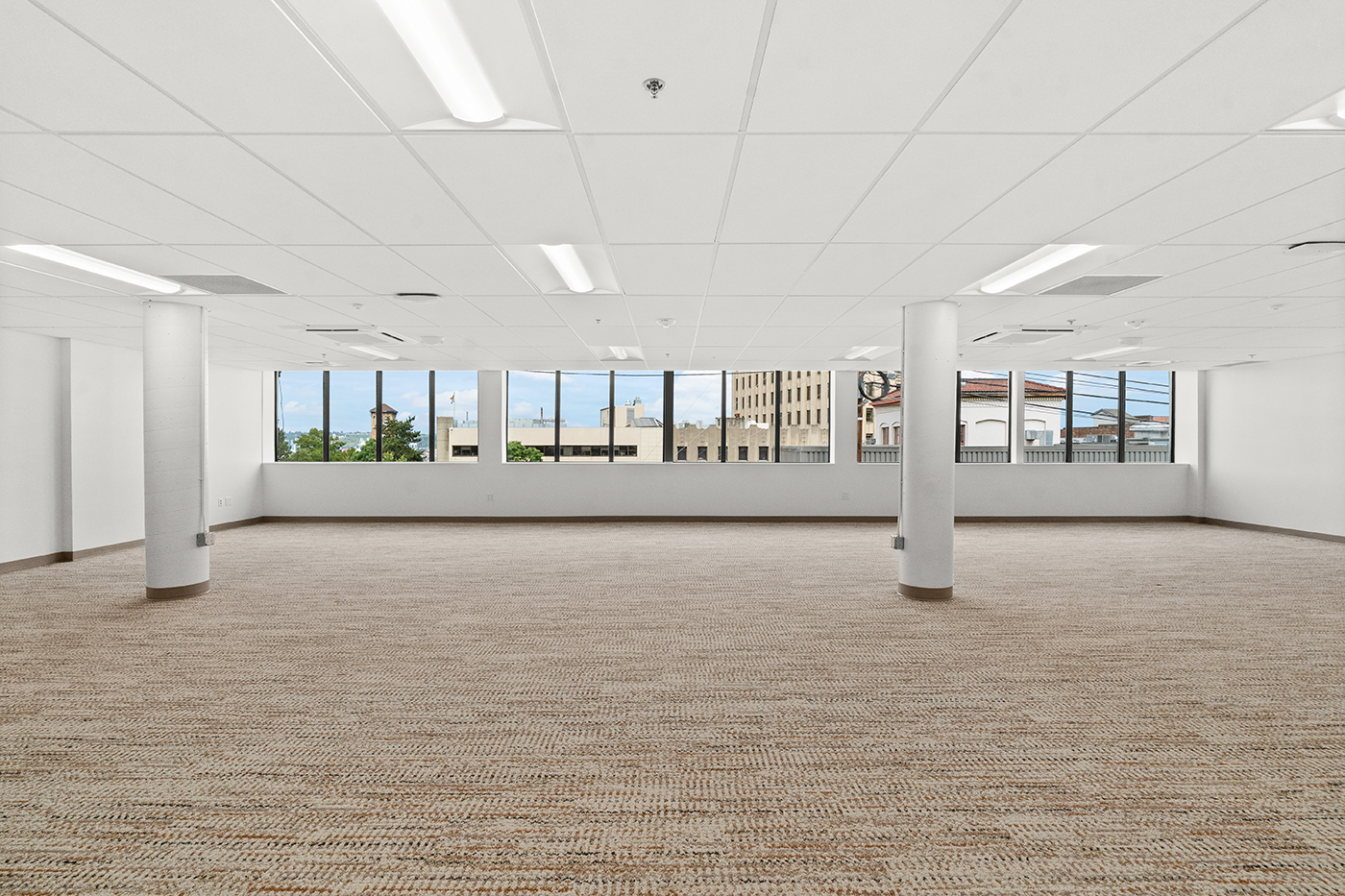
We are also including our partners in the process more than ever before. Behavioral health patients often have unique needs, and it is essential that they feel comfortable in the spaces where they are receiving care. Clear communication is key to ensure we keep facilities safe and functional while we are working.
Every dollar an owner spends on behavioral health construction is a dollar they fought hard to raise. We cannot fix the reimbursement system, but we can be the kind of construction partner that helps mission-driven organizations stretch limited resources further, build smarter, and keep their doors open for the people who depend on them. We have a real opportunity to create spaces that offer dignity for people who are receiving care, while honoring the hardworking professionals who show up every day for our community. In a sector this difficult to sustain, that partnership is not just good business — it is a responsibility we take seriously.
Jimmy Craig is the director of Critical Environments at JTM Construction in Seattle. With extensive expertise in complex healthcare facility construction and regulatory standards, he oversees projects in high-stakes, highly regulated settings where precision and operational continuity are vital. Beyond his construction leadership role, Craig is an active advocate and educator within the Pacific Northwest healthcare engineering community. He regularly partners with organizations like the Washington State Society for Healthcare Engineering to lead panel discussions and workshops, focusing on streamlining Department of Health project reviews and optimizing facility compliance.