 |
Subscribe / Renew |
 |
Contact Us |
| ► Subscribe to our Free Weekly Newsletter | |

Construction Bids
| home | Welcome, sign in or click here to subscribe. | login |


 print print  email to a friend email to a friend  reprints add to mydjc reprints add to mydjc |  |
August 19, 2026

|
RMC Architects (RMC) in Bellingham is celebrating its 40th anniversary this year — a notable milestone for any business. The 19-person office has built a solid foundation and continued success by maintaining a diverse portfolio of work. Its project types include civic and cultural, commercial, healthcare, master planning, residential, and sacred spaces.
The firm's ethos is the belief that architecture should reflect the values, culture, and diversity of its surroundings and as such, RMC views itself as community architects first and foremost. Although its work spans the region, if you stroll through Bellingham, you'll find RMC projects in just about every area of town.
RMC began as Ross & McClure in 1986 when founding principals Bob Ross and Jeff McClure were working in a shared office with a few other architects. Realizing their complementary skills, they decided to hang out a shingle in a new space and combine forces. Within three years, they were moving again to accommodate the firm's expansion.
Regarding their early success, McClure said that construction of Bellis Fair Mall had just been approved, threatening the viability of downtown Bellingham. “One of our largest clients owned a number of buildings in downtown, and we could see significant headwinds for future development in the core. We wanted to be part of that next chapter.”
To that end, in 1988, Ross & McClure received the Mayor's Arts Award for their renovations of buildings in the downtown core. In 1989, they hired their first full-time employee, Pete Sutherland, who has now been with the firm for 37 years. The longevity of most RMC employees speaks volumes for the firm culture.
In 1994, Brad Cornwell began working at RMC and became a principal in 1998. The firm rebranded as Ross McClure Cornwell and soon after, began construction on a mixed-use commercial/retail/residential building downtown that would become the new home for its growing office. The building, MARKETplace, was completed in 2003 and literally filled a void on one of the neighborhood's primary arterials. The previous building was lost during a fire, leaving a gaping hole that impacted the city center's vitality. MARKETplace was a major player in the revitalization of downtown Bellingham and is still RMC's headquarters.
Over the next several decades, RMC's projects filled other voids in Whatcom County. The historic Waples Mercantile building in Lynden was transformed into a boutique hotel and retail destination after a devastating fire in 2008. Squalicum Boathouse provided much-needed space for meetings, weddings, and public gatherings at the waterfront. Taylor Dock provided a pedestrian and bike path that connects Downtown Bellingham with Fairhaven and is one of the most popular spots in Whatcom County.
Expanding outside the city, RMC designed the master plan for Port of Everett's 47-acre site at the waterfront. The firm's vision 10 years ago is evident in Everett's waterfront development today as it comes to life.
By the third decade in 2006, the firm had grown to 14 people and was renamed RMC Architects when Ross retired. Hanging in there through the 2007 – 2009 recession, the firm managed to keep its employees because of the variety of projects and its loyal clients. During this time, recently retired employee Neil McCarthy became a principal and champion of the Front Porch Factor. This initiative began as a collaboration with RMC and Western Washington University (WWU) Professor of Psychology, Dr. Kristi Lemm, for how architecture and urban planning can strengthen social ties. As a new RMC Principal, Lexie Costic aims to keep this mission at the forefront of the firm's design. “The Front Porch Factor provides a framework to cultivate conditions that support human well-being rather than imposing form onto a site. Carrying that mission forward means taking foundational social strategies — physical connections, human scale, identity, and placemaking — and applying them directly to the complex housing and urban challenges we face today,” Costic said.
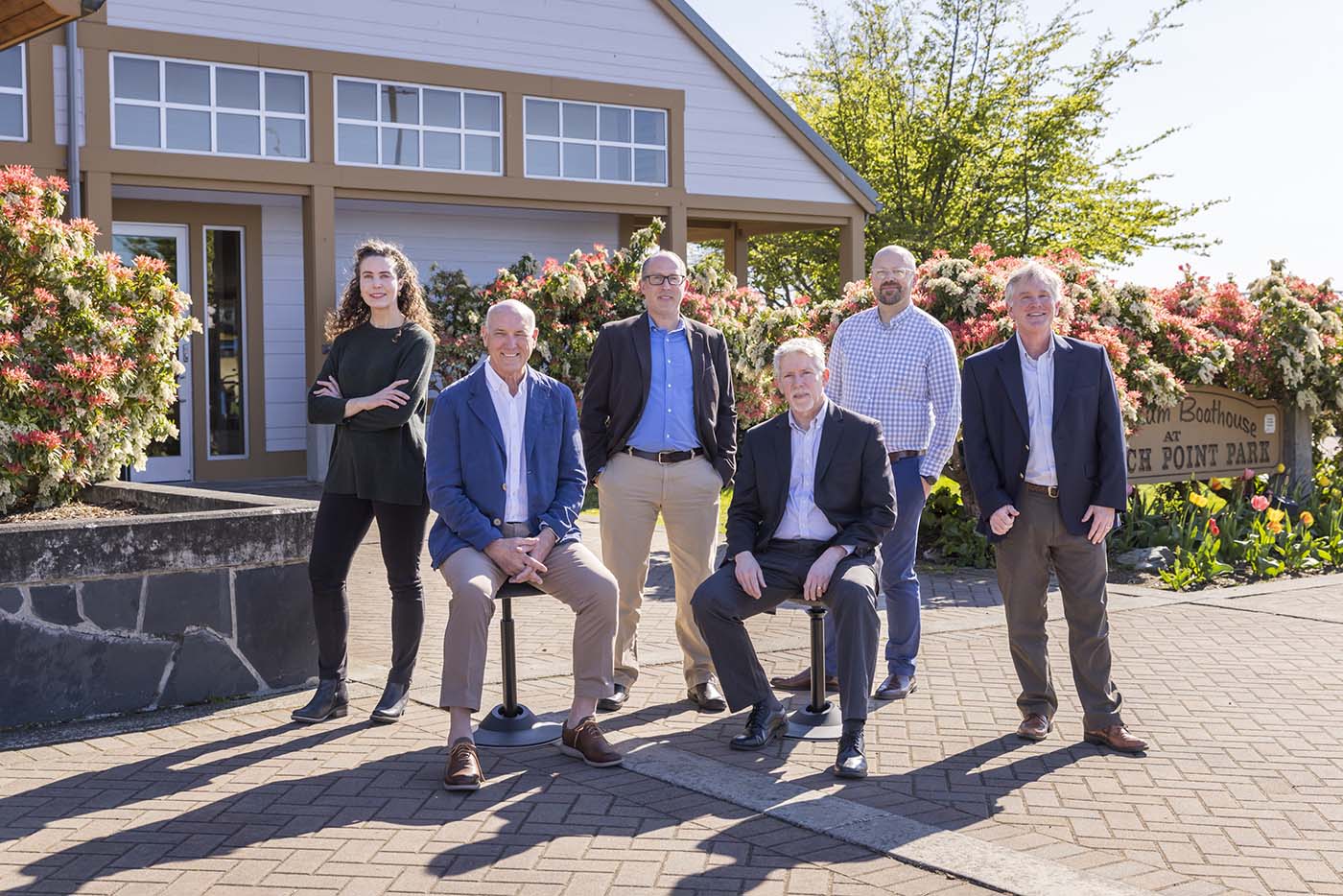
RMC's fourth decade was punctuated with numerous projects and awards, promotions, retirements, new hires — and a pandemic. Jason Williard, Costic, and Robert Wright became principals; McCarthy retired in 2025; and McClure became principal emeritus this year.
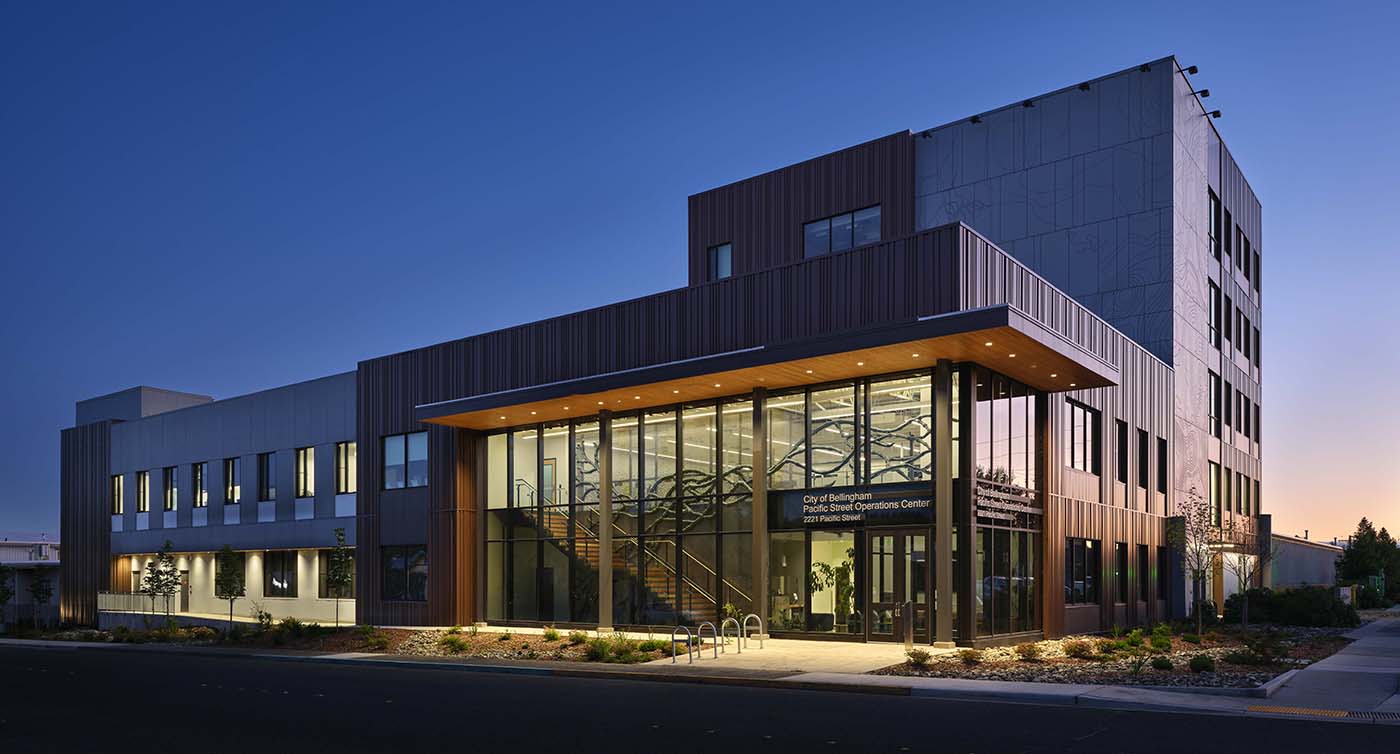
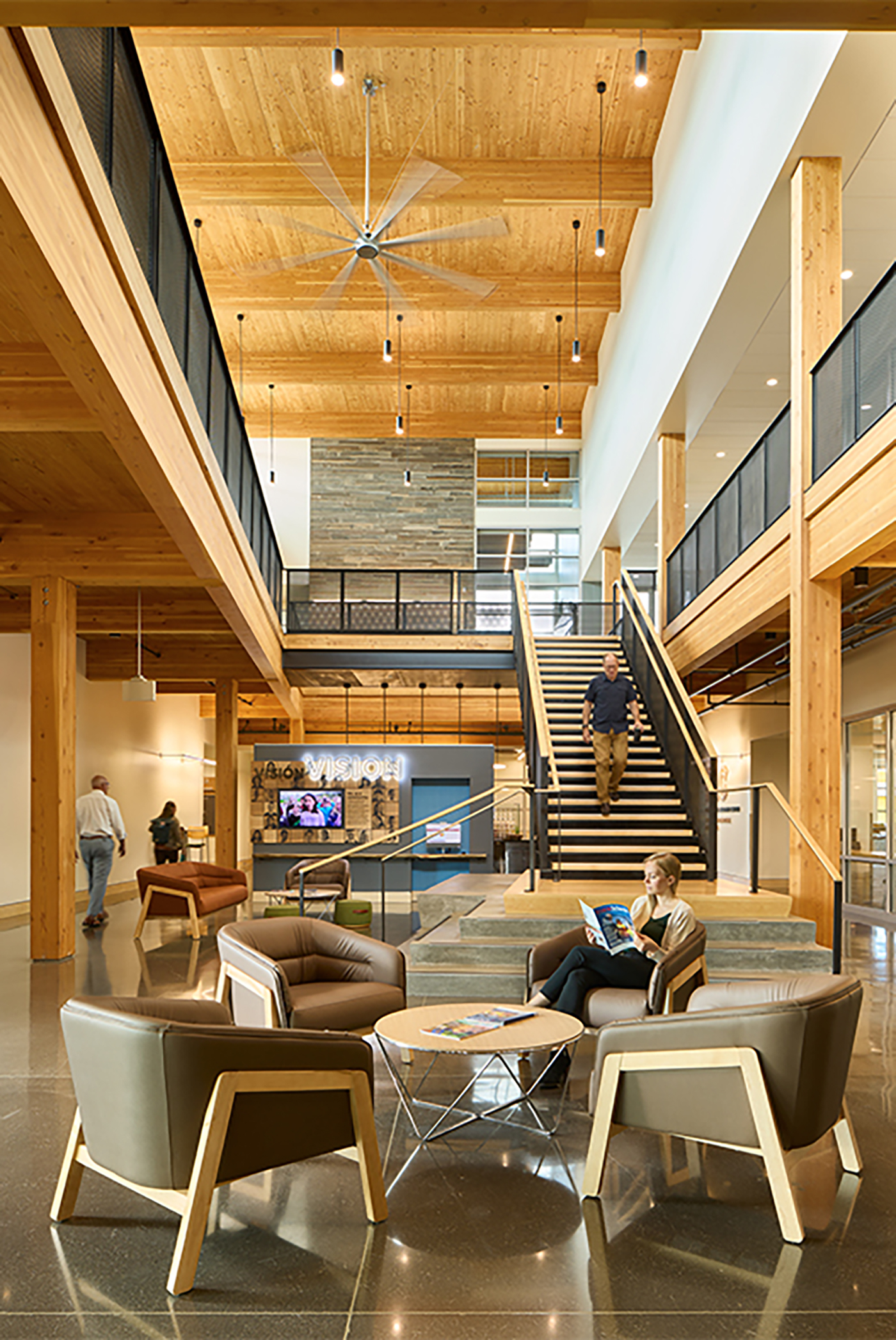
The robust transformation of Bellingham during this time can be tracked through many of RMC's projects. Samish Commons transformed the dilapidated Aloha Motel site with a new, mixed-use project that has won both local and national awards for affordable, senior, and workforce housing excellence. Bellingham Public Schools' new mass timber administrative building invites community in to gather, and offers staff a fully flexible work environment. Phases I and II of the Pacific Street Operations Center houses the city's Public Works Operation's Natural Resources and the Parks Department's Operations divisions under one roof.
As larger projects move to alternative delivery methods, such as design-build or GC/CM, the firm aspires to be leaders in that field locally. RMC believes its collaborative nature and community commitment is a natural fit for these project types that rely on trust between team members. To that end, the firm is currently acting as associate architect on the Whatcom County Justice Center, a progressive design-build project and the largest project the county has undertaken. The Justice Center consists of a new county jail and behavioral care center, and the expansion of services for behavioral health, substance-use disorder treatment, and supportive housing using trauma-informed design principles.
Cornwell said that looking ahead at the caliber of projects and new leadership, RMC has positioned itself well for the future. “We are always proactively seeking how to improve our clients' outcomes, both with design excellence and by being flexible and adaptable in times of economic change.”
Julie Flattery is a professional copywriter and the owner of Style Guide, an AEC marketing/PR/business development firm.


